
Tired of Seoul? Discover the Magoksa Temple Stay, a UNESCO gem. Learn the hidden rules of Korean temple etiquette for foreigners and find true peace. They're Staring At You For a Reason. (Korean Temple Rules)
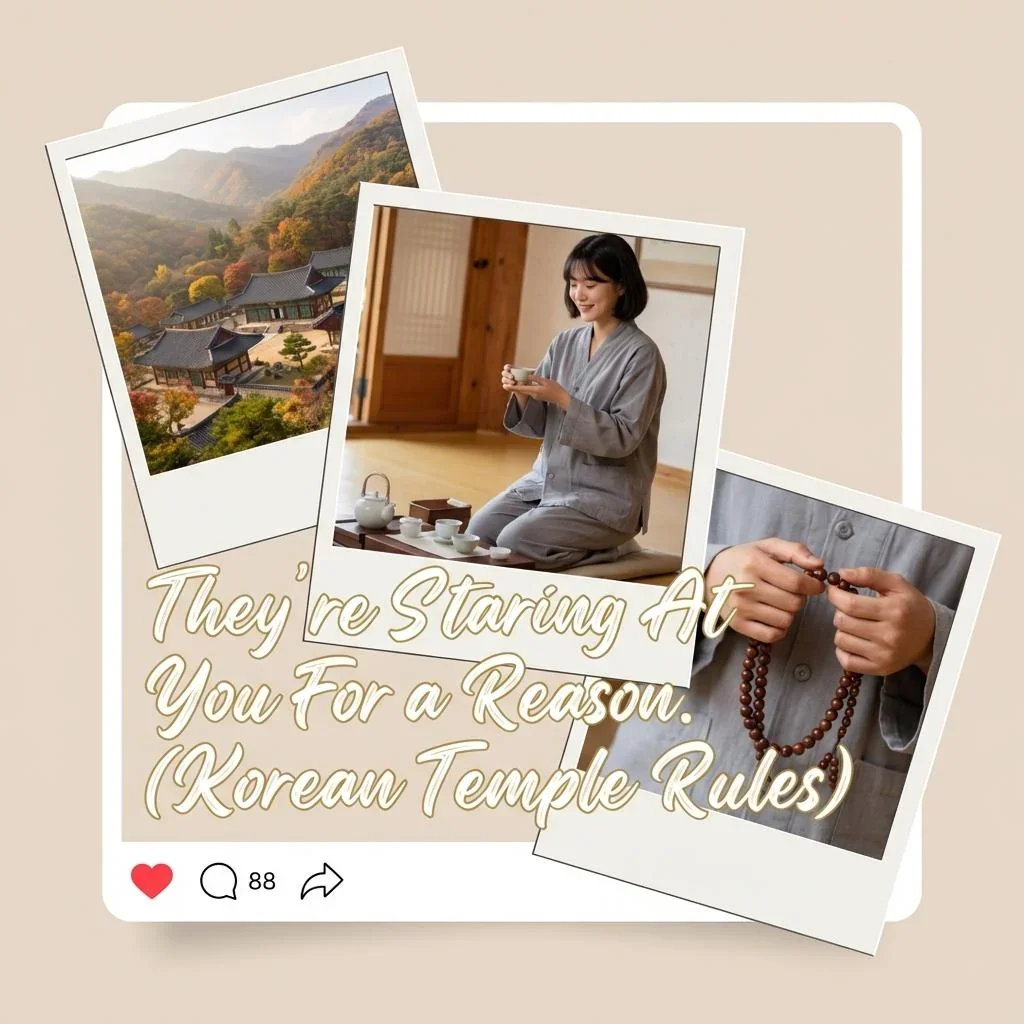
Before you trade Seoul’s chaos for serene mountain life, understand that a temple stay isn't a hotel—it’s an authentic Korean cultural experience. This means structure, rules, and a chance to disconnect. With winter heating costs soaring in cities, this minimalist escape offers a different kind of warmth.
| Feature | Description | Why It Matters |
|---|---|---|
| Digital Detox | Wi-Fi is weak or non-existent; schedules are strict. | You are forced to be present, not scrolling. This is the core benefit. |
| Mandatory Rituals | You must attend pre-dawn chanting (Yebul) and formal meals. | This isn't optional sightseeing; you are participating in monastic life. |
| Basic Living | Shared rooms with thin floor mats (yo); simple vegetarian meals. | Comfort is not the goal. Humility and mindfulness are. |
Pros and Cons Comparison
| Pros | Cons |
|---|---|
| Unbeatable peace and quiet. | Strict, early wake-up calls (around 3-4 AM). |
| Deep cultural immersion. | Uncomfortable sleeping arrangements for some. |
| Beautiful natural scenery. | Can be isolating if you don't speak any Korean. |
| Surprisingly affordable. | Mandatory participation in all activities. |
1. What to Know Before Booking a Magoksa Temple Stay
Before you trade Seoul’s chaos for serene mountain life, understand that a temple stay isn't a hotel—it’s an authentic Korean cultural experience. This means structure, rules, and a chance to disconnect. With winter heating costs soaring in cities, this minimalist escape offers a different kind of warmth.
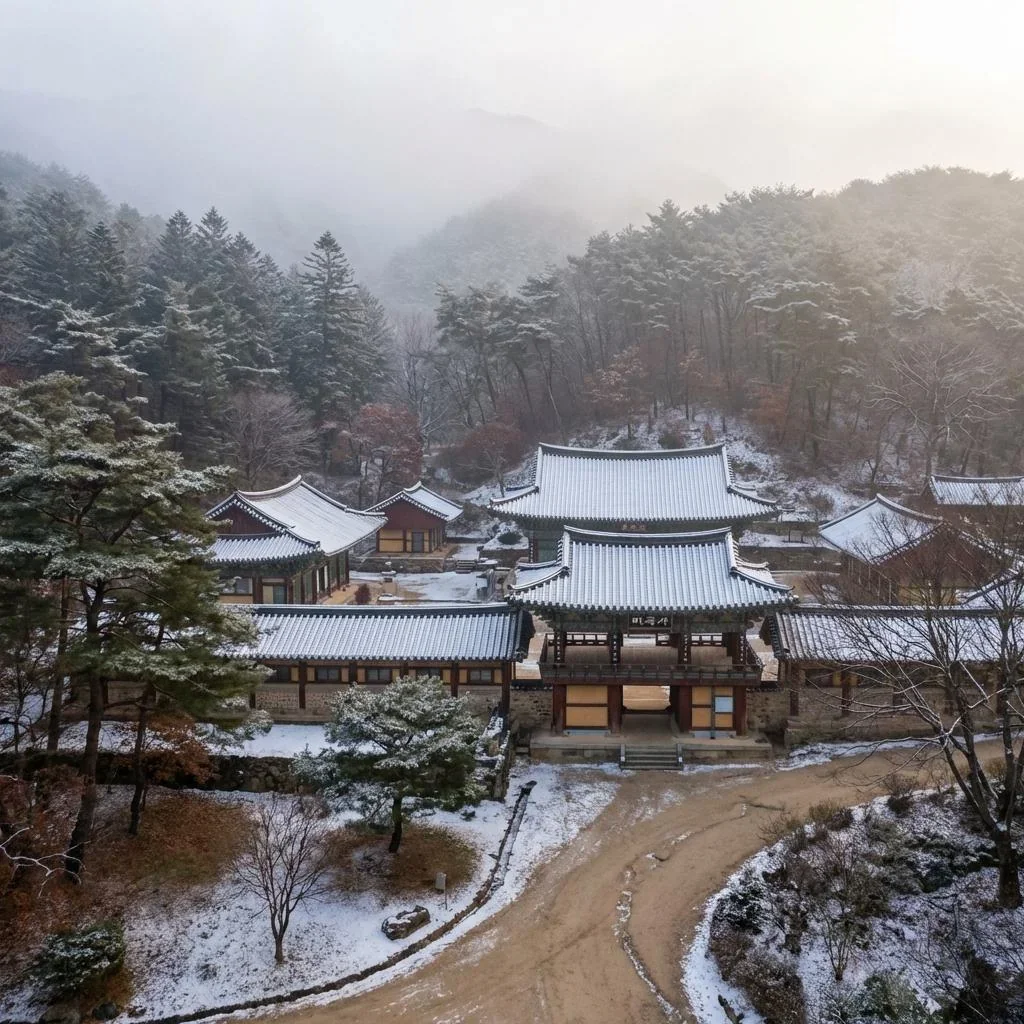
2. Why is Magoksa the perfect Gongju hidden gem for foreigners?
Most tourists who venture outside Seoul go to Gyeongju, the Silla Kingdom's capital. But Gongju was the capital of the Baekje Kingdom, an equally powerful but often overlooked dynasty. Magoksa is one of the seven "Sansa," UNESCO Mountain Temples in Korea, famous for its layout that harmonizes perfectly with the Taegeuk symbol (the center of the Korean flag). It's an evergreen destination, stunning in every season, but especially serene under winter snow.
3. Step 1: Booking Your Authentic Korean Cultural Experience
Don't just show up. You must book in advance, especially if you need English guidance.
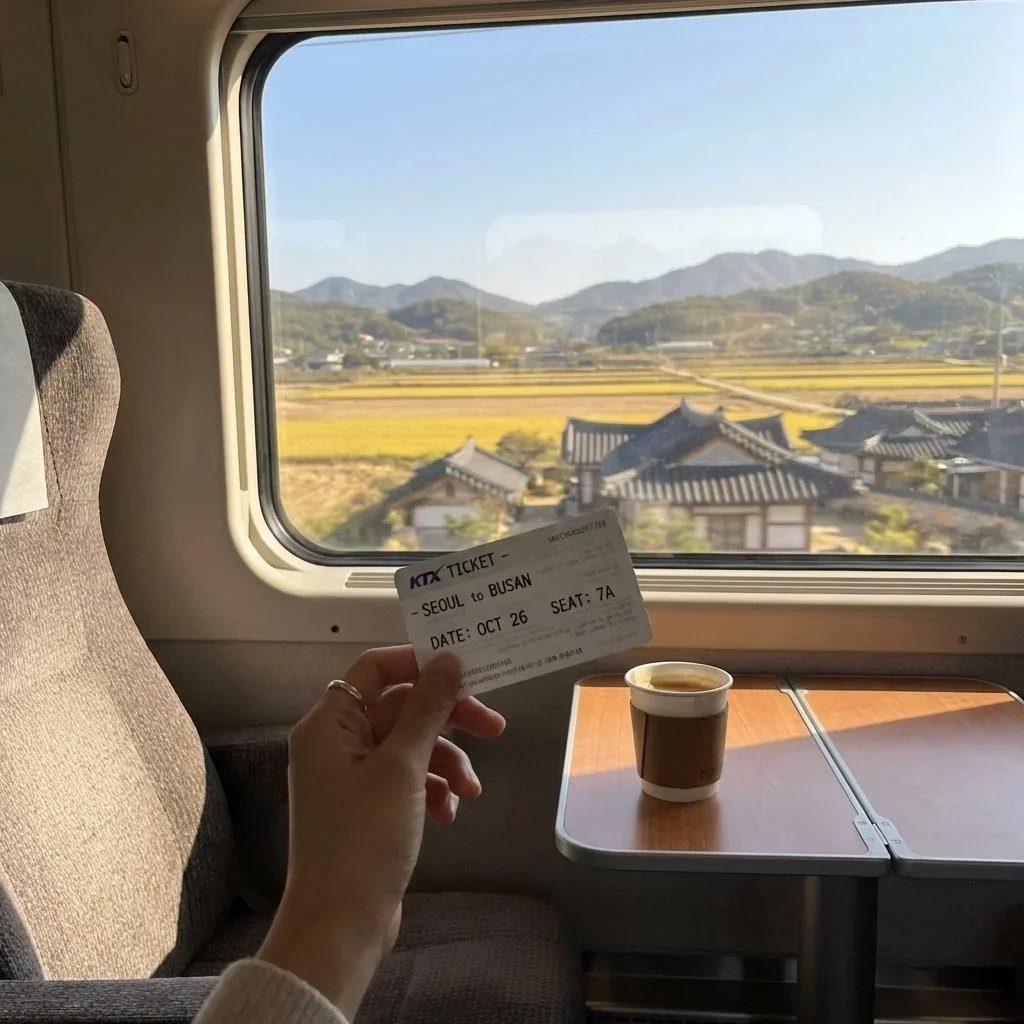
4. Step 2: Getting to Gongju from Seoul
The journey is part of the adventure and a great way to see the Korean countryside.
• Insider's Secret:For the budget-conscious, take local bus #774 from outside the station. It's slower, but you'll save a significant amount. Use Naver Map, not Google Maps, for the accurate bus schedule. The bus stop name is "마곡사" (Magoksa).
5. Step 3: Arrival and the First "Hidden Rule"
Upon arrival, you will check in and be shown to your room. This is where the cultural disconnect often begins. Your room will be simple, with floor mats, blankets, and a pillow. There is no bed, no TV, and no mini-fridge. The "hidden rule" here is about accepting simplicity. The purpose is to remove distractions, not add comforts.
6. Decoding Korean Temple Etiquette for Foreigners: Why You're Getting Glares
This is the core of the experience. It's not just about being quiet; it's about understanding the "why."
• Common Mistake:Walking through the large, central door of a temple hall.
• The Hidden Rule:This door is for senior monks only. Laypeople must always use the side doors. This is a physical manifestation of humility.
• Common Mistake:Walking directly down the center of the prayer hall in front of the Buddha statue.
• The Hidden Rule:This central path is considered the Buddha's spiritual energy path. You should walk along the sides of the hall. Breaking this rule is like photobombing a sacred ritual.
• Common Mistake:Pointing your feet towards the Buddha statue when sitting.
• The Hidden Rule:The feet are considered the lowliest, dirtiest part of the body. Always sit cross-legged or kneel, ensuring your feet are pointed away from the altar.
7. The Controversial Insight: Is a Temple Stay "Authentic" Anymore?
Some purists argue that Temple Stay programs, especially those for foreigners, are a commercialized version of Buddhism. They say the structured activities and English guides dilute the raw, solitary practice of a monk. However, the common wisdom for travelers is that without this structured entry point, the profound philosophy and daily life within these UNESCO mountain temples in Korea would remain completely inaccessible. It's a necessary bridge between two vastly different worlds.
8. What to do in Gongju After Your Temple Stay
Don't just head back to Seoul. Gongju is rich with Baekje Kingdom history.
• Gongsanseong Fortress:A UNESCO World Heritage site with a stunning wall walk along the Geumgang River.
• Royal Tombs of King Muryeong:Discover priceless gold artifacts recovered from an unlooted royal tomb.
• Hanok Village:A more peaceful and less crowded alternative to the famous hanok villages in Seoul or Jeonju.
9. Insider's Hack: The Best Post-Temple Meal in Gongju
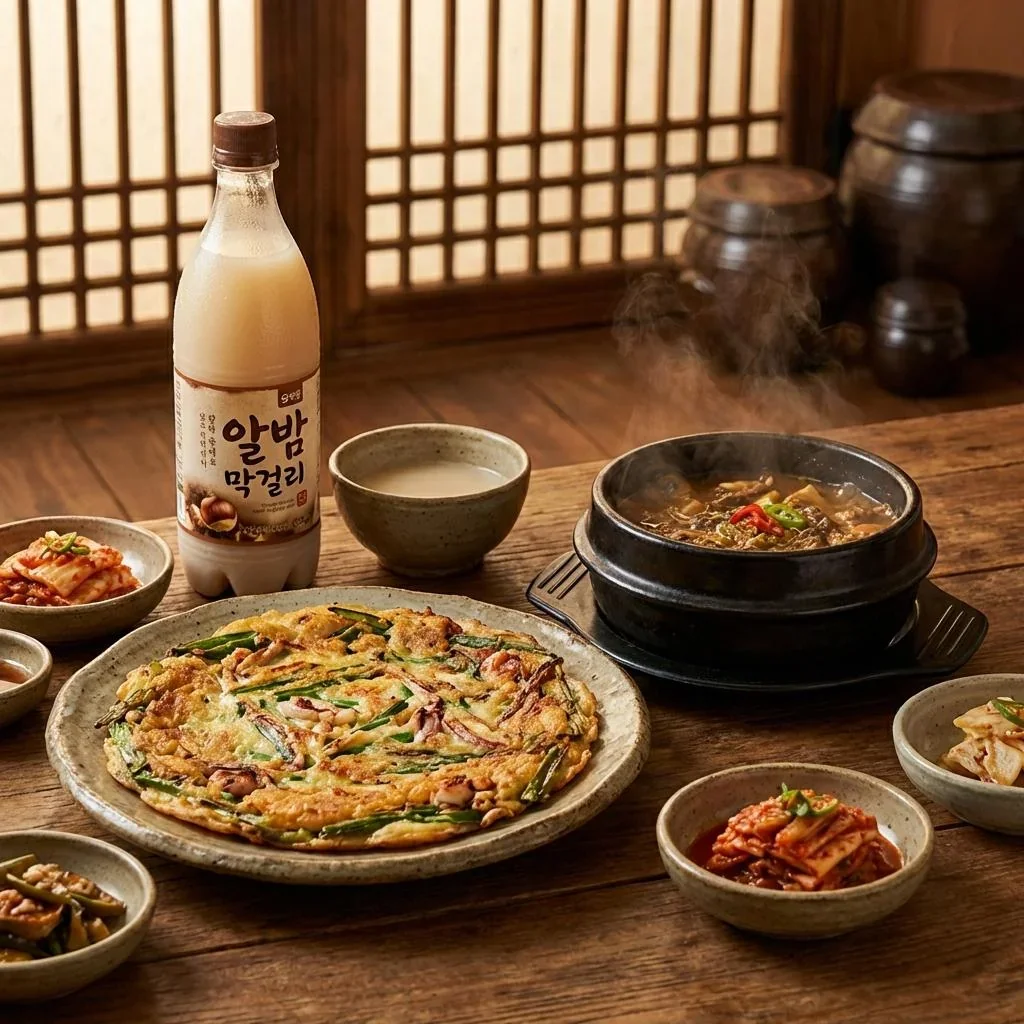
After days of simple vegetarian food, you'll want something hearty. The local specialty is food made with chestnuts (bam), as Gongju is the chestnut capital of Korea. Find a local restaurant near Gongsanseong Fortress and order Al-bam Makgeolli (chestnut rice wine) and pajeon (savory pancake). The sweet, nutty flavor of the makgeolli is something you can't find in Seoul. Try a product like "Cheoligui" brand makgeolli if you see it in stores.
10. Understanding "Jeong": The Real Souvenir
The most common feeling foreigners report after a temple stay is a strange connection to the place and the people, even with the language barrier. This is Jeong (정), a uniquely Korean concept of deep, unspoken connection and affection. It's built through shared experiences, like eating together or enduring the pre-dawn cold for chanting. It's the reason a monk might quietly hand you an extra orange. This feeling is the authentic souvenir you take home.
11. Final Checklist for Your Trip
Book Temple Stay online in advance. Download Naver Map and Papago translator. Pack modest, comfortable clothing and good walking shoes. Bring cash (KRW) for local buses and small purchases. Open your mind to silence, simplicity, and a different way of being.
12. Official Information and Booking
Address:
966 Magoksa-ro, Sagok-myeon, Gongju-si, Chungcheongnam-do, South Korea Official Temple Stay Booking Website: https://eng.templestay.com/
Q1: Do I need to be a Buddhist to do a temple stay?
A: Absolutely not. The program is open to everyone of any or no faith. It is presented as a cultural experience focused on mindfulness and tradition, not religious conversion.
Q2: Is it difficult if I don't speak any Korean?
A: Magoksa is one of the temples that often has English-speaking program managers. While knowing basic phrases like "Gamsahamnida" (Thank you) is appreciated, you can navigate the program with English guidance.
Q3: What is the food like?
A: It's called baru gongyang, a formal monastic meal that is entirely vegetarian (vegan, in fact). The food is simple, healthy, and part of the mindful practice. The hidden rule is you must eat every single grain of rice in your bowl to show respect for the food.
Leave the noise behind. A trip to Magoksa isn't just about escaping Seoul for a day; it's about finding a quiet corner of yourself you forgot existed.



No comments:
Post a Comment