Showing posts with label korea subway. Show all posts

Korean Public Transport Etiquette Foreigners Often Miss

Start here: Korea Travel Reality Guide for Foreigners

Foreigners often say Korea’s public transport is clean and efficient, but many also feel small social pressure without understanding why.

This happens because much of the etiquette is unspoken. Locals follow it automatically, and foreigners may break it without realizing.

What foreigners expect

Many visitors expect public transport rules to be clearly announced and enforced the same way as in their home country.

They assume that if something is not strictly forbidden, it is socially acceptable.

What Koreans actually notice

In Korea, public transport etiquette is strongly shaped by “shared comfort.” People try to reduce noise, blocking, and friction in crowded space.

  • Silence is the default. Trains and buses are often quieter than foreigners expect.
  • Flow matters. Small blocking behaviors are noticed quickly in crowded stations and doors.
  • Personal space is managed indirectly. People rarely confront others, but discomfort is real.

Common misunderstandings

  • Talking loudly is normal everywhere. In Korea, loud conversations can feel disruptive, especially on trains.
  • Standing anywhere is fine. Blocking doors or escalator flow creates silent frustration.
  • Eating and drinking is always acceptable. Some items and smells draw attention in enclosed spaces.
  • Priority seating is “only for elderly.” Locals often treat it as reserved even if empty.

Why it’s like this in Korea

Korean cities are dense and commuting is a daily routine for many people. When crowds are normal, small behaviors have bigger impact.

  • High commuter volume. Efficiency depends on people moving smoothly and quickly.
  • Low confrontation culture. People prefer indirect pressure over direct conflict.
  • Shared-space mindset. Comfort is treated as a collective responsibility, not an individual right.

What to do differently

  • Lower your volume. If you speak, keep it quiet and short.
  • Do not block doors. Step off briefly if needed, then re-enter.
  • Stand to one side on escalators. Let others pass if they are rushing.
  • Respect priority seating. Treat it as reserved even if no one is there.
  • Keep bags compact. In rush hours, large backpacks create friction.

Conclusion

Korean public transport etiquette is mostly about reducing friction in crowded spaces. Once you understand the local default—quiet, flow, shared comfort—your experience becomes smoother.

You do not need perfection. You just need the local logic.

Common Mistakes Foreigners Make Recharging T-money in Korea

Start here: Korea Travel Reality Guide for Foreigners

Foreigners often assume topping up a transport card is the same everywhere: tap, choose an amount, pay with any card, and done.

In Korea, the process is simple once you know the local defaults, but first-timers often make small mistakes that waste time or cause stress in a busy station.

What foreigners expect

Many visitors expect the machine to support English clearly, accept international cards, and behave like a standard ticket kiosk.

They also expect “recharge” to work the same way on buses, at any station, and in any payment method.

What Koreans actually notice

Locals treat T-money as a daily routine and follow a few simple habits without thinking.

  • They recharge in the most predictable places. Subway stations and convenience stores are the default.
  • They keep the process fast. In crowded stations, people move quickly and do not wait for long decisions.
  • They trust cash as the universal backup. If anything feels uncertain, cash recharge solves it immediately.

Common misunderstandings

  • “Any machine will recharge my card.” Some kiosks are for tickets or other services. Look for the transport card top-up option.
  • “My international card will always work.” Payment support can vary. If your card fails, it is usually faster to use cash or recharge at a convenience store.
  • “I can top up on the bus like other countries.” In Korea, top-up is most reliably done before you ride: station or convenience store.
  • “I don’t need to check the balance.” If you are transferring or entering a long trip, low balance becomes an unnecessary problem.

Why it’s like this in Korea

Korea’s transport system is designed for speed and volume. Stations can be crowded, and the card system is built around predictable routines rather than long interactions.

  • High-traffic stations. Machines are optimized for quick use, not extended guidance.
  • Local payment defaults. Cash and local methods are the safest fallback when something is unclear.
  • Convenience store infrastructure. Korea treats convenience stores as daily service hubs, not just shops.

What to do differently

If you follow these habits, T-money recharging becomes a non-issue.

  • Recharge before you enter the busiest area. If possible, top up at a quieter station entrance or early in your trip.
  • Use cash as your universal fallback. If the machine payment feels confusing, cash top-up is usually the fastest solution.
  • Use convenience stores when stations feel stressful. Ask for “T-money top up” and show your card. This is often easier than kiosks for first-timers.
  • Top up in simple amounts. Keep it easy: choose a round number you can remember, then check the balance after.
  • Check balance before transfers. A low balance during a transfer is one of the most common avoidable mistakes.

Conclusion

Recharging T-money in Korea is not complicated, but it follows local routines: fast, predictable, and often cash-friendly. Once you learn the default flow, you stop thinking about it.

If Korea feels confusing, it is usually because you are using a “global assumption.” Switching to local defaults—station or convenience store, simple top-ups, quick checks—removes the stress.

Gaehang-ro

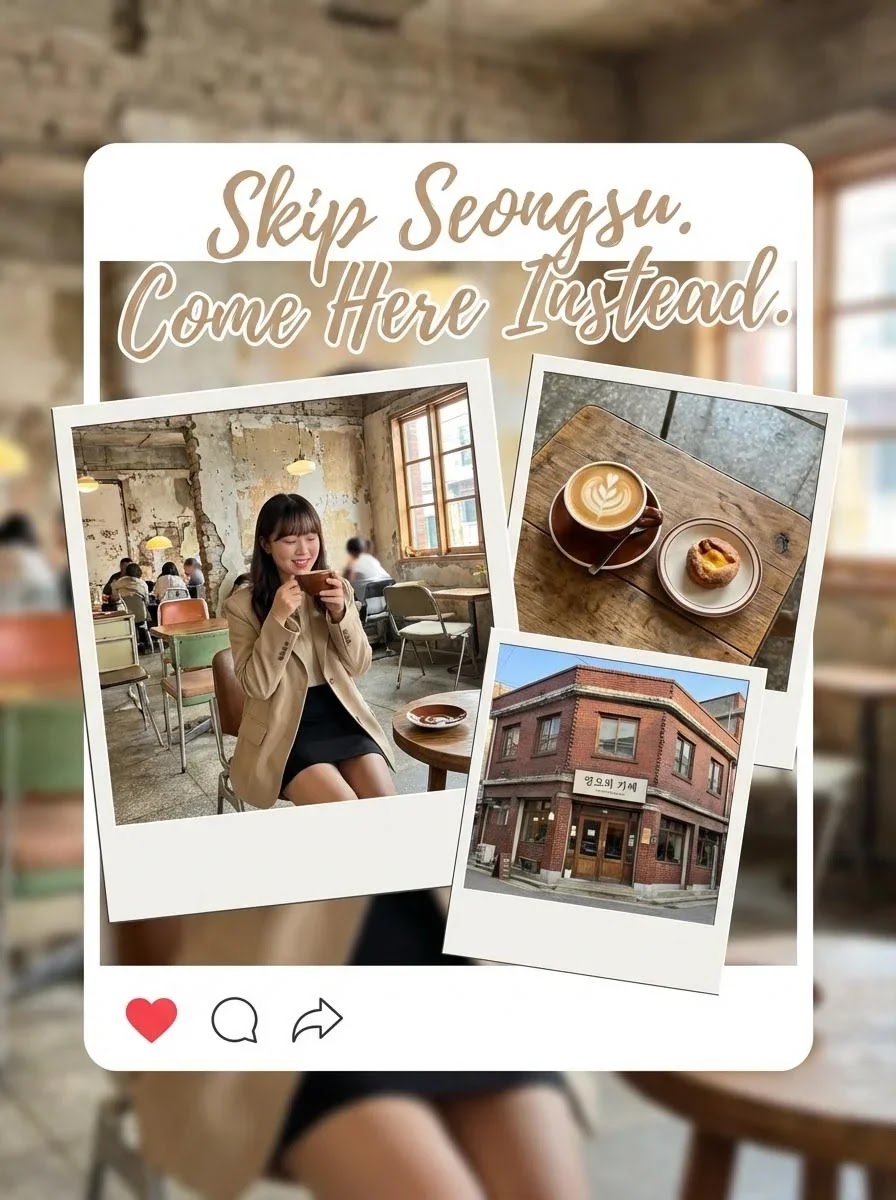
2026 Insider Guide Gaehang-ro "Skip Seongsu for this Newtro hidden gem. Discover Incheon's authentic 19...