
Jeonju Hanok Village: Insider's Guide for Foreigners
Feeling lost in Jeonju Hanok Village? Uncover the hidden rules, local hacks, and cultural etiquette foreigners miss. Go beyond bibimbap and K-dramas.
Key Summary
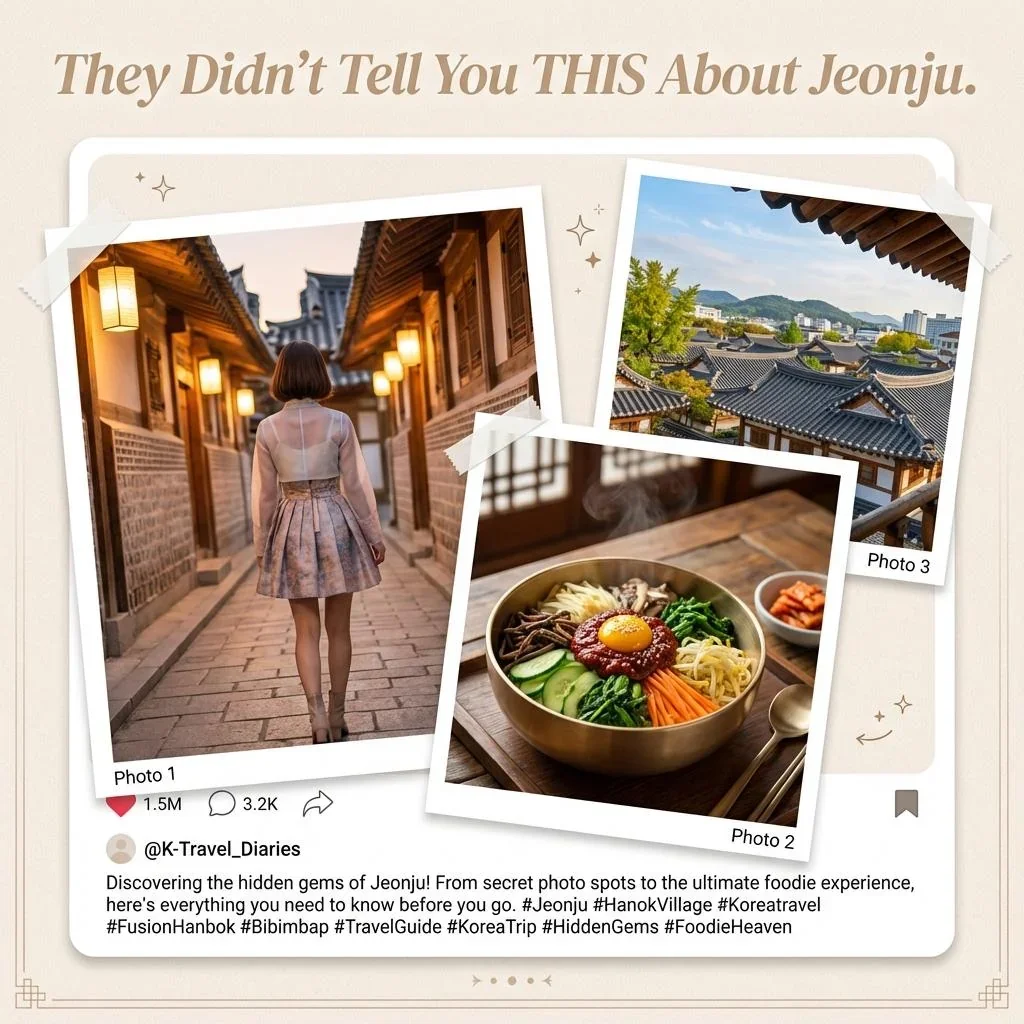
- The Core Hack: To experience the real Jeonju Hanok Village, ditch the main street after 5 PM and explore the narrow, lamp-lit back alleys where locals actually live and eat.
- Why It Matters: Foreigners often treat the village like a daytime theme park, missing its true essence as a living, breathing community with unspoken rules of residential quiet and respect.
- Action Step: Download the Kakao Maps app before you go; Google Maps is functionally useless for navigation and finding the authentic, hidden spots in Korea.
| Feature | Status | Local Pro-Tip |
|---|---|---|
| Navigation | Kakao/Naver Only | Set app to English manually |
| Dining | No Tipping | Use "Jeogiyo" to call staff |
| Footwear | Strict Rules | Always wear clean socks |
Pros and Cons Comparison
| Aspect | Pros | Cons |
|---|---|---|
| Day Visit | Vibrant, great photos, many street food options | Extremely crowded, noisy, feels commercial |
| Night Stay | Peaceful, authentic atmosphere, magic lighting | Strict noise rules, limited late-night shops |
| Hanok Stay | Cultural immersion, heated floor experience | Hard beds, inconsistent heating, thin walls |
1. Why Do Koreans Take Off Shoes Indoors? Your First Hidden Rule
This is the most common point of cultural disjunction for foreigners. It’s not just about politeness; it’s a deep-rooted concept of cleanliness. The floor is an extension of living space used for sitting, eating, and even sleeping. Bringing outside dirt into this space is a major faux pas. In a traditional Hanok stay, this rule is absolute.

Key Summary: When to Take Off Your Shoes
| Location | Shoes On or Off? | Why? |
|---|---|---|
| Hanok Guesthouse | OFF (Always) | You are entering a home environment. Floors are for living. |
| Traditional Restaurants | OFF (Often) | Look for a shoe cubby at the entrance and raised flooring. |
| Modern Cafes/Shops | ON (Usually) | Unless you see a designated shoe area, keep them on. |
Common Mistake: Assuming all restaurants are shoes-on. The failure here is not observing the entrance. If you see a pile of shoes and a raised wooden floor, that's your cue.
2. Jeonju Hanok Village Hidden Rules for Foreigners
Beyond shoe etiquette, the village operates on unspoken social codes. As of early 2026, with tourism booming, local residents are increasingly frustrated with noise. Remember, this is a residential area, not just a tourist attraction. The new floor noise laws being enforced in apartments nationwide reflect a nationwide sensitivity to noise that you should respect here, too.
| Western Expectation | Korean Reality (The Hidden Rule) |
|---|---|
| It's a tourist street, be lively! | Speak in hushed tones, especially after sunset. Residents live here. |
| Take photos of everything. | Do not photograph residents or the inside of homes without permission. |
| Touch the old building materials. | Respect the architecture; these are preserved, fragile structures. |
3. Insider's Perspective on Korean Dining Etiquette
Jeonju is Korea’s food capital, but eating here has rules. When you eat the famous Jeonju Bibimbap, don't stick your chopsticks upright in the bowl—it mimics funeral rites.
Step 1: Ordering & Seating
In many local spots, you seat yourself. To get service, press the call button on the table or make eye contact and say "Jeogiyo!" (저기요! - "Excuse me!"). Tipping is not a part of the culture; it can even cause confusion.
Step 2: The Communal Experience
Side dishes (banchan) are shared. Use the provided serving utensils (if any) or your own clean chopsticks to take a portion for your plate. Never use the end of the chopsticks you put in your mouth.
Step 3: Drinking Rules
Never pour your own drink. Pour for others, starting with the eldest. When receiving a drink from an elder, hold your cup with both hands. Try a local makgeolli (rice wine) like Jeonju Moju for an authentic taste.
4. Common Mistakes Foreigners Make in Jeonju
The biggest failure case we see is tourists sticking only to the main street, Taejo-ro. They eat franchise street food, rent a hanbok for an hour, take a picture at Jeondong Cathedral, and leave. They completely miss the soul of the place. Another common mistake is assuming you can just throw away trash anywhere. Public bins are rare; you're expected to carry your trash with you. You can often find disposal areas near convenience stores or bus stops.
5. Navigating Jeonju with Kakao Maps, Not Google
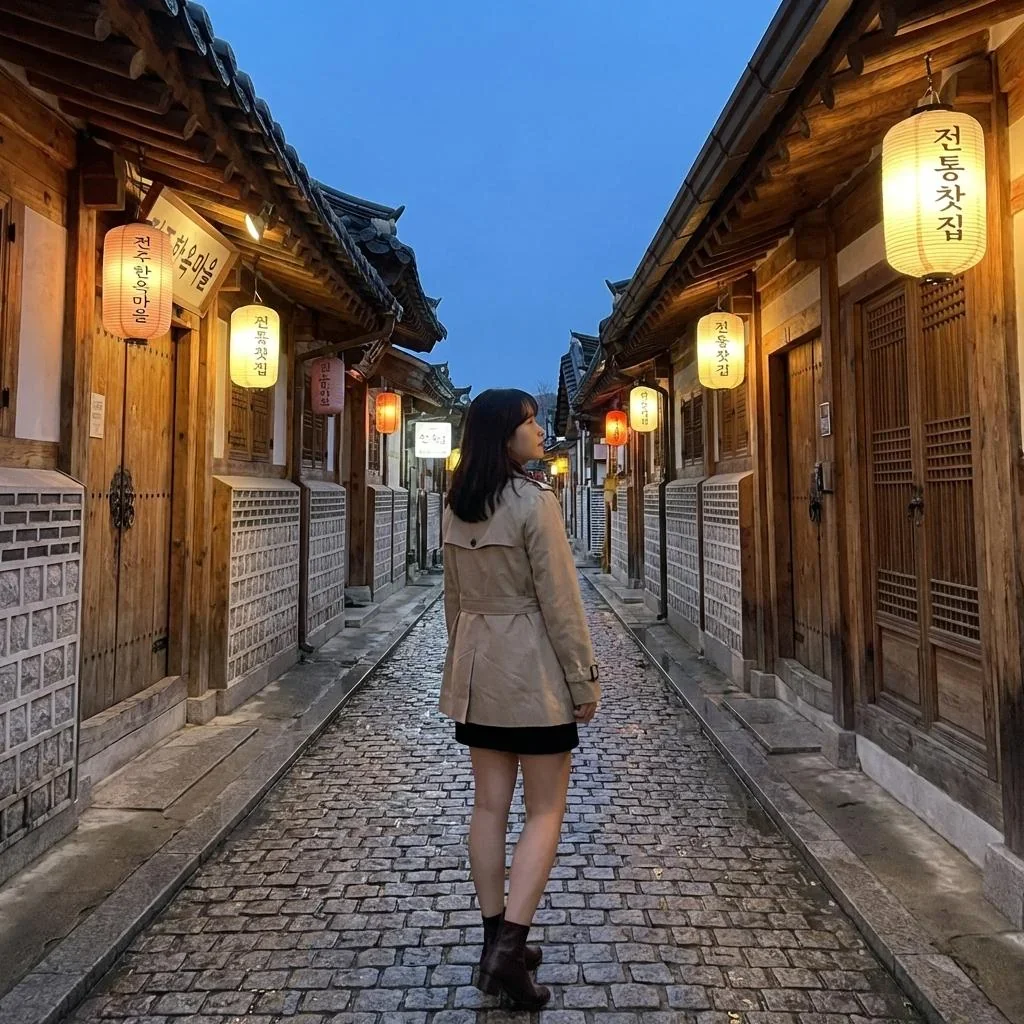
Here's a critical local hack: Google Maps does not work properly for driving or walking directions in South Korea. Relying on it will get you lost. You must use a Korean navigation app.
- Step 1: Before your trip, download Kakao Maps. Set the language to English in the app's settings.
- Step 2: Search for destinations using their English name (e.g., "Gyeonggijeon Shrine") or phone number, which is often more accurate.
- Step 3: Use the public transit feature. It shows real-time bus locations, routes (like bus #79 from Jeonju Station), and which stop to get off at—a lifesaver.
6. K-Travel Cultural Disjunction: What to Expect
Why do Koreans seem to push in crowds or not say "excuse me"? This isn't rudeness; it's a byproduct of living in a densely populated society. In a crowded market or subway, a certain level of physical contact is accepted as unavoidable. Holding the door for someone is also not a common practice. This sense of disjunction comes from misunderstanding public space dynamics. It’s not personal; it’s practical.
7. Authentic Cultural Insights Beyond K-Dramas
Destroying traditional wisdom: Jeonju is not just a pretty K-drama set. It was the spiritual home of the Joseon Dynasty.
Cantankerous Insight: Many foreigners think Hanoks are charmingly rustic. The reality? They can be cold. With Korean heating costs becoming a major news topic in recent years, traditional Hanok stays often rely on ondol (heated floors), which can be inconsistent. Pack warm sleepwear, even indoors. You might use a traditional, firm yo mattress on the floor—don't expect a plush hotel bed. This is the authentic experience.
8. Korean Public Transport Etiquette for Tourists
Getting to Jeonju is easy via KTX train, but once you're on public transport, the rules are strict.
- Keep Quiet: Phone calls are a major taboo. Set your phone to silent.
- No Eating: Avoid eating or drinking smelly foods.
- Backpacks Off: In a crowded bus or subway, take off your backpack and hold it by your side or place it on your lap.
- Priority Seats: Do not sit in the designated seats for the elderly, disabled, or pregnant, even if they're empty. It's a common mistake that is viewed very poorly. Use your rechargeable T-money card for seamless payment.
9. What is the Tipping Culture in South Korea?
Simple: It doesn't exist. Do not tip in restaurants, cafes, or taxis. Service is included in the price, and staff are paid a salary. Attempting to tip can be seen as awkward or even insulting, implying you think they are not paid enough. The only exceptions might be high-end international hotels or specialized tour guides, but even then, it is not expected.

10. Local Hacks for a Better K-Hidden Destination Trip
Insider's Secret: The most famous souvenir from Jeonju is a choco pie, but not the commercial Orion brand. Go to PNB Poongnyun Bakery. The original location is outside the Hanok Village, but they have branches inside. This is the authentic, local-approved version. Buying this shows you've done your research beyond the surface level.
11. Address and Official Information
Address: 99 Girin-daero, Wansan-gu, Jeonju-si, Jeollabuk-do, South Korea (전북 전주시 완산구 기린대로 99)
Official Site: For the latest event information, such as the spring flower festival tours scheduled for March and April 2026, check the official Jeonju Tourism website.
Plan Your Visit
Ready to experience Jeonju? You can purchase KTX tickets and book Hanok stays through official travel portals.
Purchase KTX Tickets and Travel ProductsThree Q&As
Q: Is Jeonju Hanok Village worth visiting for someone who doesn't watch K-dramas?
A: Absolutely. Its historical significance as the origin of the Joseon Dynasty and its status as a UNESCO Creative City of Gastronomy make it a cultural and culinary hotspot, independent of its media appearances.
Q: Can I get by with only English in Jeonju?
A: In the main tourist areas of the Hanok Village, you'll find English menus and signs. However, for a deeper experience in local markets or restaurants in the back alleys, having a translation app like Papago is highly recommended. Don't assume everyone speaks English.
Q: How much time should I spend in Jeonju Hanok Village?
A: While you can see the main sights in a day trip from Seoul, staying overnight is highly recommended. This allows you to experience the village's quiet, magical atmosphere after the day-trippers have left and to explore the city's famous makgeolli alleys at night.
Explore the surrounding neighborhood of Jaman Mural Village for a colorful contrast to the traditional Hanok architecture. Jeonju is a place that rewards the patient observer. Respect the silence, savor the slow pace, and you will find a side of Korea that most tourists never see.



No comments:
Post a Comment